
Dimer Acid Diisocyanate (DDI) is a non-yellowing diisocyanate modified with dimer acid segments. By introducing long-chain aliphatic structures, DDI significantly enhances polymer performance and is an ideal choice for polyurea coatings and various industrial formulations.
Unlike conventional TDI or MDI, DDI contains no aromatic structures that easily discolor. As a result, it provides superior stability under high temperature, humidity, and UV exposure.\
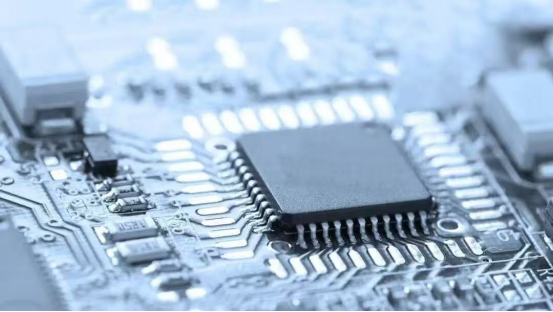
In the electronics sector, system reliability is constantly challenged by moisture, chemical corrosion, thermal cycling, and mechanical stress. Material properties directly affect the service life of PCBs, sensors, module encapsulation, and other components.
Ruifeng Polymer’s DDI products have also gained strong market recognition. For complete product details, please refer to CAS: 68239-06-5 DDI.
Key advantages include:
The long-chain structure of DDI imparts low modulus and high flexibility to cured systems, effectively mitigating:
• Stress concentration from thermal expansion and contraction
• Cracks caused by thermal cycling
• Fatigue failure at PCB solder joints
It is particularly suitable as a core reactive component in PCB potting materials.
DDI provides strong hydrophobicity, leading to:
• Extremely low water absorption
• High stability under 85°C/85% RH conditions
• Excellent retention of dielectric properties
It is ideal for outdoor electronics, automotive electronics, battery management systems, and industrial control systems that require high humidity-heat reliability.
Traditional MDI/TDI systems tend to yellow or degrade under UV or high temperature.
DDI’s aliphatic structure offers:
• Non-yellowing performance
• High environmental stability
• Excellent oxidation resistance
Suitable for transparent potting, optical components, and LED drivers where color stability is critical.
DDI exhibits moderate reactivity and good compatibility with polyether polyols, polyester polyols, HTPB, and various other systems. Its characteristics include:
• Uniform and controllable curing
• Reduced foaming tendency
• High batch-to-batch consistency
• Adjustable curing speed for different processing needs
This is crucial for electronics manufacturers requiring stable supply and continuous mass production.
• Appearance: Light yellow transparent liquid
• NCO content: 13.5–14.5%
• Viscosity (25°C): 150–300 mPa·s
• Molecular weight: Approx. 600
• Low volatility and low odor
• Excellent compatibility with fillers such as Al₂O₃, BN, and SiO₂
For the complete technical specification, please visit Ruifeng Polymer Aliphatic Diisocyanates.
Performance advantages:
• Ultra-low water absorption
• Excellent stress-relief behavior
• Non-yellowing
• Compatible with thermal conductive fillers to formulate high-conductivity systems
• Low dielectric loss, suitable for high-speed circuitry
DDI provides high resilience, low-temperature flexibility, and resistance to heat and humidity, making it suitable for:
• Outdoor electronic sealing
• Connector sealing materials
• Elastic encapsulation of industrial sensors
Adhesives based on DDI offer:
• Long-lasting bonding strength
• Excellent resistance to oil, humidity, and corrosion
• No embrittlement under long-term vibration
Ideal for electronic assemblies requiring high mechanical durability.
The flexible segments of DDI significantly enhance:
• Low-temperature impact resistance
• Toughness
• Interfacial compatibility
Applicable to specialty resins, encapsulation materials, and elastomer modification.
Based on extensive customer testing, DDI supplied by Ruifeng Polymer demonstrates excellent performance in:
• 85°C/85% RH test: Stable properties with no yellowing
• Thermal shock (−40 to 125°C): No cracking or interfacial delamination
• Dielectric performance: Stable without drift
• Mechanical fatigue: High flexibility maintained
Our DDI has been successfully used in a customer’s electronic potting system, maintaining outstanding flexibility and interfacial adhesion under thermal cycling and humidity-heat aging. Its low viscosity and high processing stability significantly improve long-term reliability under heat, moisture, and mechanical stress.
Ruifeng Polymer’s high-purity and high-consistency DDI is manufactured under the ISO 9001:2015 quality management system and features:
• Low free monomer content
• Minimal batch variation
• Excellent oxidative stability
• Stable viscosity during storage
• Very low odor
Ensuring high controllability and consistency for your electronic materials and polyurethane systems.
For complete technical documents, application guidance, or DDI samples, please contact the Ruifeng Polymer technical team.
We provide rapid support and customized solutions for electronics manufacturing, functional materials, and polyurethane applications.


